


When attending a funeral, the last thing you want to worry about is whether your clothing is respectful. Choosing the right funeral attire shows respect for the deceased, their family, and the occasion itself. While traditions remain important, funeral dress codes in 2025 reflect a balance between honoring mourning customs and recognizing modern preferences. This guide will help you decide what to wear to a funeral.
How to Choose a Funeral Outfit
- Wear Dark Colors: Black clothing, dark suits, navy blue, deep green, and grey remain the most traditional and appropriate funeral attire.
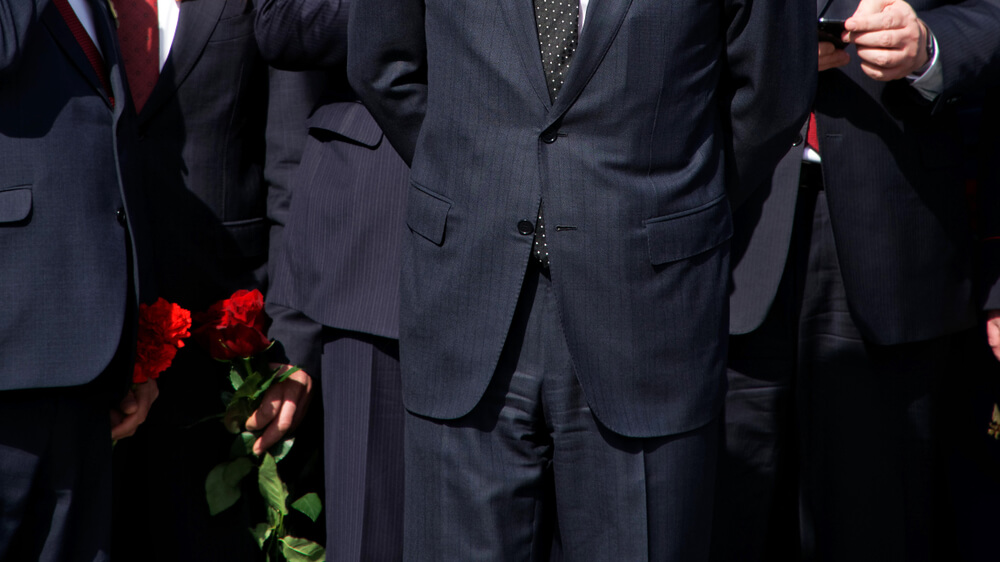
- Choose Respectful Outfits: Men should wear a suit with a long-sleeved or white shirt and tie, while women should choose modest dresses or clothing that covers their shoulders.
- Avoid Casual or Flashy Clothing: Jeans, t-shirts, bright colors, and flashy accessories should be avoided to maintain respect for the deceased and loved ones.
- Consider Religious Traditions: Some cultures or religious traditions may specifically request white clothing, covered shoulders, or other attire adjustments.
- Dress for Comfort and Occasion: Comfortable shoes and weather-appropriate clothing are important, especially for outdoor graveside services.
Traditional Expectations of Funeral Attire
In many cultures, dark colors remain the standard. Black is considered the most traditional color of mourning, symbolizing grief and solemnity. When in doubt, it is always appropriate to wear black clothing. Alternatives include dark suits, navy blue, deep green, and grey, which are also considered appropriate funeral attire.
For men, a suit with a dress shirt and tie is the most common outfit. A white shirt or long-sleeved shirt paired with a dark jacket is both respectful and timeless. Women typically wear a modest dress, skirt, or dark pants paired with subdued clothing. Regardless of gender, comfortable shoes are important, as you may be standing or walking for extended periods during the service or even a graveside service.
Modern Approaches to the Dress Code
While dark, natural colors remain the norm, more families today are asking attendees to celebrate a person’s life rather than focus solely on grief. Some funeral services may encourage guests to wear white, lighter tones, or even bright colors if it was specifically requested by the deceased or their family. In these cases, the goal is to honor the individuality of your loved one and reflect joy in their memory.
That said, unless a personal service calls for a different style, it’s best to stick with traditional options and avoid bright colors, bold prints, or flashy accessories. If a family invites you to embrace a less conventional look, balance respect with comfort so that your outfit remains appropriate for the solemn occasion.
What to Avoid Wearing to a Funeral
To show respect during a time of grief, there are certain types of clothes you should not wear to a funeral:
- Jeans or overly casual outfits
- T-shirts, tank tops, or anything that leaves shoulders exposed
- Sneakers or casual shoes (unless needed for comfort or health reasons)
- Loud, flashy accessories or distracting prints
Whether attending a traditional indoor service or a graveside service, avoid anything that could draw attention away from the ceremony or the loved ones you’re there to support.
Respecting Religious Traditions and Cultural Differences
Funeral attire varies across many cultures, and some may view bright colors as a way to celebrate life rather than a breach of etiquette. In certain religious traditions, wearing white is the standard sign of mourning, while others emphasize black clothing as the only acceptable choice.
Some faiths may ask men to wear a white shirt or women to cover their shoulders as a sign of modesty. Always check with the family or the funeral home if you are uncertain about the dress code or what is considered appropriate funeral attire in a specific context.
Dressing with Comfort and Respect
Above all, your outfit should allow you to feel comfortable while maintaining formality. A long-sleeved shirt with a tie for men, or a conservative dress for women, communicates care without drawing attention. Choose clothing that is neat, clean, and modest. The key is to express mourning and compassion through your presentation, without adding stress to an already difficult occasion.
If you’re attending a graveside service, remember that outdoor conditions may require comfortable shoes and weather-appropriate clothing. Planning ahead ensures that your attire is both practical and respectful.
The Most Important Thing: Showing Up
While choosing appropriate funeral attire is important, remember that the most meaningful gesture is simply being there. Attending a visitation, funeral service, or graveside service offers comfort to the family and shows respect for the deceased. If you don’t have perfectly formal clothes, it is far better to attend in less dressy outfits than to stay home because you feel unprepared.
At the end of the day, people won’t remember the exact clothing you wore. They’ll remember the support you gave and the positive memories you shared about their loved one’s life. Being present, offering kind words, and honoring the moment are what truly matter during a time of grief.
Create a Memorable Service for Your Loved One
When deciding what to wear to a funeral, remember that your clothing is a gesture of respect for the deceased and their loved ones. Whether you choose to wear black, dark suits, navy blue, or other dark colors, the focus should remain on honoring a life lived. If a family requests celebratory attire, follow their wishes to reflect the person’s life and values.
At Alabama Funeral Homes, we understand that the details of a funeral, down to the dress code, are meaningful in creating a memorable and respectful service. Our compassionate staff is here to guide you through planning a personal service that honors your loved one with dignity, whether in a chapel, a graveside service, or another setting.
About the Author

Belinda McLeod has a degree in Secondary Education, specializing in English and Journalism. She began her career as a freelance writer in 2018 since a flexible schedule would allow her to help care for an aging parent. Since then, Belinda has specialized in writing for the funeral industry. Belinda has written for Cake, a funeral-planning website, nursing homes, mausoleum companies, cremation companies, and funeral homes.